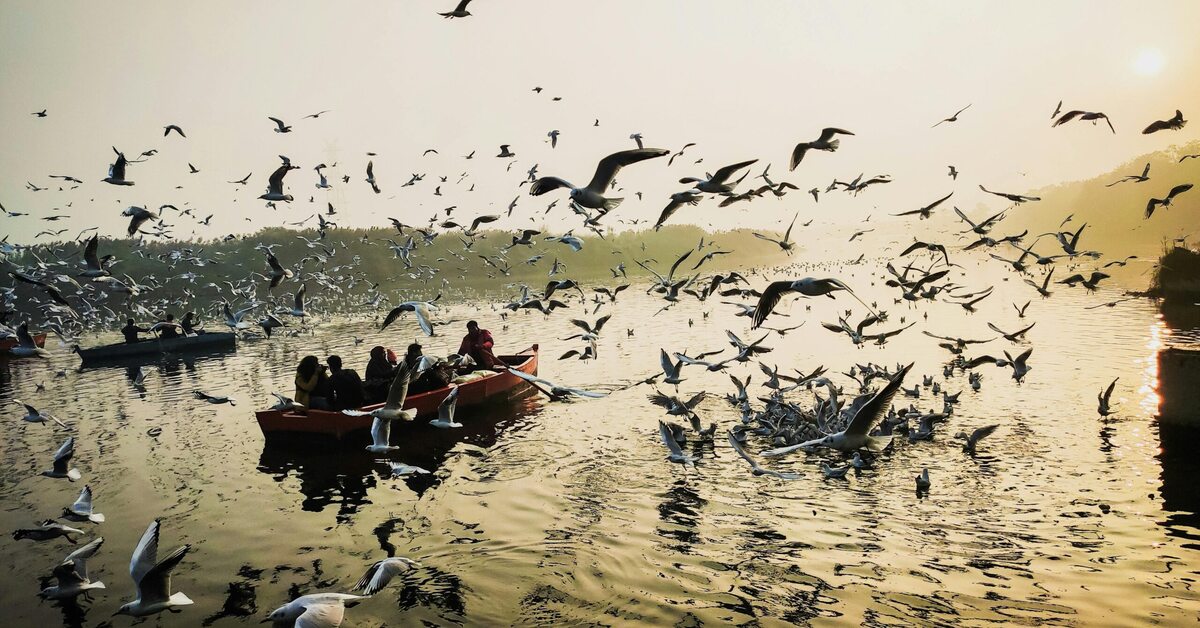
Magh Mela 2026 A Spiritual Festival in Prayagraj , Have you ever wondered what draws millions of devotees to the banks of sacred rivers every winter? The answer lies in Magh Mela, one of India’s most ancient and spiritually significant festivals. Celebrated in Prayagraj (formerly Allahabad), Magh Mela is a month-long gathering where faith meets tradition on the sandy shores of the Triveni Sangam.
This isn’t just another religious festival. It’s a living testament to India’s spiritual heritage, where pilgrims from across the country come together to cleanse their souls in holy waters. The festival transforms Prayagraj into a massive spiritual hub, with temporary tent cities sprouting up to accommodate the faithful who believe that bathing at the confluence during this auspicious month washes away sins and brings salvation.
The history of Magh Mela stretches back thousands of years, with mentions in ancient Hindu scriptures. It represents more than just religious observance—it’s a cultural phenomenon that showcases the enduring power of faith in modern India.
The Sacred Confluence – Triveni Sangam
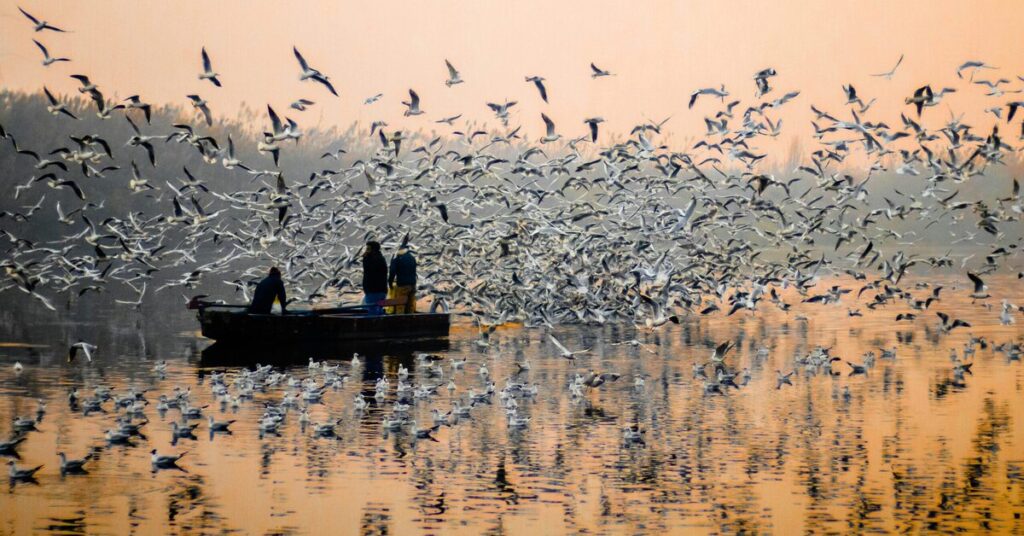
At the heart of Magh Mela lies the Triveni Sangam, the sacred meeting point of three rivers: the Ganga, Yamuna, and the mythical Saraswati. This confluence isn’t merely a geographical feature; it’s considered one of the holiest spots in Hinduism.
Why is this confluence so special? According to Hindu belief, the Ganga flows from heaven, carrying divine blessings. The Yamuna represents devotion and purity. The Saraswati, though invisible to the eye, is said to flow underground, symbolizing knowledge and wisdom. When these three sacred rivers merge, they create a powerful spiritual vortex where prayers become more potent and sins can be washed away.
The waters at the Sangam change colors during different times of the day, creating a mesmerizing sight that reinforces the mystical nature of this place. Pilgrims believe that taking a dip here during Magh month carries special merit, multiplying the spiritual benefits manifold compared to bathing at other times.
History and Origins of Magh Mela
The roots of Magh Mela dig deep into India’s spiritual soil. Ancient texts like the Mahabharata and various Puranas mention the significance of bathing at Prayag during the month of Magh. These scriptures describe how gods, sages, and celestial beings themselves descended to this sacred confluence to perform rituals.
Historical records suggest that Magh Mela has been celebrated for over two millennia. Chinese traveler Xuanzang, who visited India in the 7th century, documented massive gatherings at Prayagraj where people from all walks of life assembled for spiritual purposes. Over centuries, the festival evolved from a gathering of ascetics and scholars to a mass pilgrimage that welcomes everyone regardless of caste or social status.
The festival gained even more prominence during medieval times when various Hindu dynasties provided royal patronage. Kings and emperors would themselves participate, establishing the tradition that continues to this day. What started as a spiritual practice among learned sages became democratized, allowing common people to access the same spiritual benefits through these holy baths.
When Does Magh Mela Take Place?
Timing is everything when it comes to Magh Mela. The festival unfolds during the Hindu month of Magh, which typically falls between mid-January and mid-February in the Gregorian calendar. This entire month is considered auspicious, but certain dates hold extra significance.
The festival kicks off on Makar Sankranti, marking the sun’s transition into Capricorn. This day witnesses the largest gathering as devotees believe the first bath of Magh month carries maximum spiritual merit. Throughout the month, pilgrims take repeated dips, especially on specific dates called “Shahi Snan” or royal bathing days.
Key bathing dates include Mauni Amavasya (the new moon day when saints observe silence), Basant Panchami (welcoming spring), and Maghi Purnima (the full moon that concludes the festival). Each of these days attracts hundreds of thousands of pilgrims who brave the winter cold for spiritual purification. The coordinated movement of such massive crowds on these special days creates an unforgettable spectacle of human faith.
Religious Significance of Magh Mela
What makes Magh Mela so spiritually powerful? According to Hindu philosophy, the month of Magh itself is considered highly favorable for spiritual practices. The positioning of celestial bodies during this period is believed to enhance the sanctity of the Sangam waters, making them especially potent for washing away karmic debts.
The act of bathing at the confluence during Magh isn’t just about physical cleansing. It represents a deeper spiritual commitment—a willingness to endure winter cold and inconvenience for the sake of spiritual growth. Devotees believe that each dip in the holy waters burns away past sins, purifies the soul, and brings them closer to moksha (liberation from the cycle of rebirth).
Many pilgrims practice “Kalpavas,” a rigorous observance where they stay at the mela grounds for the entire month, bathing daily at dawn and following strict spiritual disciplines. These practitioners sleep in basic tents, eat simple food, and spend their days in prayer and meditation. This intensive spiritual practice is believed to accelerate spiritual progress and bring divine blessings.
The Power of Holy Dips
Not all bathing days are created equal at Magh Mela. The festival calendar highlights several particularly auspicious moments when the spiritual benefits of bathing multiply exponentially.
Makar Sankranti marks the first major bathing day. As the sun enters Capricorn, millions gather at the Sangam in the pre-dawn darkness, waiting for the auspicious moment to take their holy dip. The sight of countless oil lamps floating on the water, coupled with the chanting of prayers, creates an atmosphere charged with devotion.
Mauni Amavasya stands out as the most significant day of Magh Mela. On this new moon day, sadhus and spiritual seekers observe complete silence (maun), believing that controlling speech helps control the mind. The bathing ritual on this day is considered so powerful that it’s said to erase sins accumulated over multiple lifetimes. The convergence of spiritual energy on this day is palpable, with some devotees reporting profound mystical experiences during their bath.
Magh Mela vs Kumbh Mela: Understanding the Difference
People often confuse Magh Mela with Kumbh Mela, and for good reason—both occur at the same location in Prayagraj. However, there are important distinctions between these two gatherings.
Magh Mela happens annually, every single year without exception. It’s a regular appointment on the spiritual calendar that faithful devotees keep consistently. Kumbh Mela, on the other hand, occurs every twelve years at four rotating locations, with Prayagraj being one of them. When the Kumbh Mela coincides with Magh Mela at Prayagraj, the event transforms into Maha Kumbh Mela—an extraordinary gathering that attracts over 100 million pilgrims.
Scale also differs significantly. While Magh Mela attracts several million devotees over its month-long duration, Kumbh Mela brings astronomical numbers, becoming the largest peaceful gathering of humanity on Earth. The infrastructure, arrangements, and international attention given to Kumbh Mela far exceed what’s typically seen at the annual Magh Mela.
Despite these differences, both festivals share the same spiritual foundation. Both center on ritualistic bathing at the Triveni Sangam, both attract saints and scholars for religious discourse, and both reinforce the same ancient traditions that have sustained Hindu spirituality for millennia.
The Tent City: Accommodation at Magh Mela
Imagine an entire city materializing from thin air, complete with residential areas, markets, hospitals, and even police stations. That’s exactly what happens at Magh Mela. The temporary tent city that springs up on the flood plains is an administrative and logistical marvel.
The mela ground transforms into a sprawling settlement divided into sectors. Pilgrims can choose from various accommodation options depending on their budget. Simple tents with basic amenities serve most visitors, while more comfortable options with better facilities cater to those who prefer modest comforts even during spiritual pursuits.
The Kalpavas practitioners set up more permanent temporary residences, often bringing their own materials to construct small huts where they’ll spend the entire month. These settlements form distinct neighborhoods, creating a temporary community bound by shared spiritual purpose. Walking through these tent colonies offers a unique glimpse into how faith inspires people to embrace simplicity and hardship.
Essential facilities dot the landscape—community kitchens (langar) serving free meals, medical camps providing healthcare, lost-and-found centers helping separated families reunite, and charging stations for mobile phones. Despite being temporary, this city functions with remarkable efficiency, proving that when millions share a common purpose, organization emerges naturally.
Rituals and Ceremonies During Magh Mela
The daily rhythm at Magh Mela follows ancient patterns prescribed by Hindu scriptures. Devotees wake before dawn, often around 3 or 4 AM, to prepare for the day’s first bath. This pre-dawn timing isn’t arbitrary—it’s called Brahma Muhurta, considered the most spiritually charged time of day.
After bathing, pilgrims change into clean clothes and perform prayers at the riverbank. Many hire priests to conduct personalized rituals, offering prayers for deceased ancestors (tarpan) or seeking blessings for family welfare. The sight of thousands performing synchronized rituals, each immersed in their own spiritual practice yet part of a collective experience, creates a powerful atmosphere.
Throughout the day, devotees visit various akharas (camps of ascetic orders), seek blessings from saints, and participate in religious discourses. Many observe fasts or eat only simple vegetarian food during their stay. Evening aarti (prayer ceremony) at the Sangam, with priests waving large fire lamps while chanting hymns, provides a spectacular conclusion to each day’s spiritual activities.
The Role of Saints and Sadhus
No description of Magh Mela would be complete without acknowledging the sadhus and saints who form its spiritual backbone. These ascetics, representing various Hindu traditions and sects, gather at the mela to share wisdom, perform austerities, and guide seekers on their spiritual paths.
The akharas—organized groups of ascetics belonging to specific traditions—establish elaborate camps that become centers of spiritual learning. These aren’t mere campsites; they’re mobile monasteries where ancient knowledge passes from teacher to student. The Naga sadhus, recognizable by their ash-covered bodies and minimal clothing even in winter cold, particularly fascinate visitors with their extreme renunciation.
Saints deliver discourses on various aspects of Hindu philosophy, attracting crowds who sit for hours absorbing spiritual teachings. These informal universities operate without buildings or modern facilities, yet the knowledge shared here has sustained Hindu spirituality across generations. Pilgrims consider receiving blessings from revered saints as valuable as the holy bath itself, often waiting in long queues for a brief moment of darshan (sacred viewing) and a word of guidance.
Cultural Activities and Festivities
While spirituality remains central, Magh Mela also celebrates India’s rich cultural diversity. The mela grounds host numerous cultural programs showcasing regional art forms, music, and dance traditions. Folk artists from various states perform, transforming the spiritual gathering into a cultural festival as well.
Religious singing groups perform bhajans and kirtans throughout the day, creating an ambient soundtrack of devotion. Classical musicians offer concerts that blend artistic excellence with spiritual expression. Drama troupes enact stories from Hindu epics, making ancient wisdom accessible through entertainment.
The marketplace section buzzes with activity, selling everything from religious artifacts and books to local handicrafts and traditional foods. This commercial aspect isn’t seen as contradicting the spiritual purpose; rather, it’s an integral part of India’s traditional fair culture where commerce and spirituality coexist harmoniously. These economic activities also help sustain local artisans and small businesses, creating a symbiotic relationship between faith and livelihood.
The Administrative Marvel Behind Magh Mela
Organizing an event that hosts millions of people in a temporary settlement requires extraordinary planning and execution. The Uttar Pradesh government, along with various administrative bodies, begins preparations months in advance.
Infrastructure appears where only empty flood plains existed weeks earlier. Workers construct pontoon bridges across the rivers, enabling pilgrims to access bathing ghats safely. Temporary roads crisscross the mela area, facilitating movement of people and supplies. Water supply systems, electrical connections, sanitation facilities, and waste management systems must all be established from scratch.
Security arrangements involve thousands of police personnel, aided by modern surveillance technology. CCTV cameras monitor crowd density, helping authorities prevent dangerous overcrowding. Public address systems broadcast important announcements in multiple languages. Disaster management teams stand ready to respond to any emergency, from medical crises to potential stampedes.
The coordination required to manage this logistical challenge is staggering. Multiple government departments—health, transportation, fire services, civil defense, and more—work in synchronized fashion. This temporary city must function efficiently from day one, providing services comparable to permanent settlements despite its ephemeral nature.
Economic Impact of Magh Mela
Beyond its spiritual significance, Magh Mela generates substantial economic activity. The festival creates temporary employment for thousands—from tent erectors and boatmen to shopkeepers and service providers. Local businesses experience a boom as demand for goods and services skyrockets.
Hotels and guesthouses in Prayagraj city run at full capacity throughout the month. Restaurants see increased patronage as many pilgrims prefer eating out occasionally despite the available community kitchens. Transportation services—auto-rickshaws, cycle-rickshaws, and taxi operators—benefit from the constant movement of pilgrims between the city and mela grounds.
Artisans and craftspeople selling religious items, traditional clothing, and souvenirs find this their most profitable period. The mela effectively functions as a massive trade fair where rural and urban commerce intersect. Street food vendors serve regional delicacies, introducing visitors to culinary diversity while earning their yearly income during this concentrated period.
This economic dimension ensures that Magh Mela benefits not just spiritual seekers but also supports countless families dependent on these seasonal earnings. The festival demonstrates how religious tourism can drive local economic development, creating a model where faith and commerce support rather than contradict each other.
How to Reach Prayagraj for Magh Mela
Planning your visit to Magh Mela requires understanding your travel options. Prayagraj is well-connected to major Indian cities through multiple modes of transportation.
By air, the nearest airport is Prayagraj Airport (formerly Bamrauli Airport), which operates flights to and from Delhi, Mumbai, and other major cities. From the airport, the mela grounds are approximately 12 kilometers away, accessible via taxi or auto-rickshaw.
Rail travel remains the most popular option. Prayagraj Junction is one of India’s major railway stations, with trains connecting it to virtually every corner of the country. During Magh Mela, Indian Railways operates numerous special trains to handle increased passenger volume. Booking well in advance is advisable as tickets sell out quickly, especially around major bathing dates.
Road connectivity is excellent, with Prayagraj situated on National Highway 2. State-run and private buses operate regular services from nearby cities. Many pilgrims prefer road travel as it offers flexibility and allows groups to travel together. During the festival, authorities establish special bus services directly to the mela grounds.
Once you arrive in Prayagraj, local transportation options including battery-operated vehicles, cycle-rickshaws, and shared autos ferry pilgrims to the Sangam. Walking remains popular for those staying nearby, allowing visitors to absorb the festive atmosphere gradually.
Tips for First-Time Visitors
Attending Magh Mela for the first time can feel overwhelming. Here are practical tips to help you navigate this massive gathering smoothly and safely.
What to pack: Winter in Prayagraj can be quite cold, especially during early morning bathing hours. Pack warm, layered clothing including woolens, blankets, and extra undergarments. Bring at least two sets of clothing specifically for bathing—one to wear while entering the water and another clean set for afterward. A waterproof bag protects valuables during your bath. Don’t forget basic toiletries, medications, a flashlight, and a portable charger for your phone.
Cultural etiquette: Respect is paramount. Dress modestly, covering shoulders and legs. Remove footwear before entering temple areas or akharas. If photographing sadhus or other pilgrims, always ask permission first. Many ascetics prefer not being photographed, and their wishes must be honored. Maintain cleanliness—dispose of waste properly and avoid polluting the sacred rivers.
Health and safety precautions: Stay hydrated and eat only freshly cooked food from reliable sources. The cold water bathing can be shocking to the system, so enter gradually. If you’re elderly or have health conditions, consult your doctor before attempting the bathing ritual. Keep emergency contact numbers handy and inform someone about your location. Avoid bathing alone if you’re not a strong swimmer—the river currents can be deceptive.
Practical advice: Keep valuables to a minimum. Carry photocopies of important documents rather than originals. Stay aware of your surroundings in crowded areas to avoid pickpockets. If you’re staying at the mela grounds, mark your tent or sector clearly to avoid getting lost in the vast tent city. Most importantly, maintain a calm, patient attitude—crowds are inevitable, and patience is part of the spiritual practice.
Conclusion
Magh Mela stands as a living bridge between ancient traditions and modern India. This annual gathering at Prayagraj’s sacred confluence isn’t merely a festival—it’s a profound expression of faith that has endured through millennia. When millions willingly embrace hardship, braving winter cold and basic living conditions for spiritual purification, they’re participating in something far greater than themselves.
The festival showcases humanity’s enduring need for spiritual connection and community. In an increasingly digital and disconnected world, Magh Mela reminds us that some experiences require physical presence, shared suffering, and collective devotion. The sight of diverse people—rich and poor, educated and illiterate, young and old—standing equal before the sacred waters demonstrates democracy in its purest spiritual form.
Whether you approach Magh Mela as a devoted pilgrim seeking salvation, a cultural enthusiast interested in India’s heritage, or simply a curious traveler, the experience will leave an indelible impression. The combination of faith, tradition, culture, and sheer human organization creates something unique and unforgettable. Magh Mela isn’t just something you see—it’s something you feel, something that touches your soul regardless of your religious beliefs.
As the sun rises over the Triveni Sangam each morning during Magh month, illuminating thousands of devotees taking their holy dips, it continues a cycle that has repeated for countless generations and will continue for countless more. In this continuity lies the true miracle of Magh Mela—proof that in our rapidly changing world, some things remain sacred, timeless, and eternal.
FAQs
1. What is the difference between Magh Mela and Kumbh Mela?
Magh Mela occurs annually in Prayagraj during the Hindu month of Magh, while Kumbh Mela happens every twelve years at four rotating locations. When Kumbh Mela coincides with Magh Mela in Prayagraj, it becomes Maha Kumbh Mela. The scale of Kumbh Mela is much larger, attracting over 100 million pilgrims compared to several million at the regular Magh Mela.
2. Is it safe to bathe in the Sangam during winter?
Yes, millions safely bathe at the Sangam during Magh Mela each year. However, the water is quite cold in winter. Authorities provide trained lifeguards and safety personnel. If you have health concerns, consult your doctor beforehand. Enter the water gradually, and if you’re not a confident swimmer, stay in shallow areas or use the assistance of guides available at bathing ghats.
3. Can non-Hindus attend Magh Mela?
Absolutely! Magh Mela welcomes everyone regardless of religion, nationality, or background. The festival is inclusive and offers a unique opportunity to witness India’s spiritual traditions firsthand. Visitors should simply be respectful of the religious significance and follow basic cultural etiquette like modest dressing and maintaining cleanliness around sacred areas.
4. What are the best dates to visit Magh Mela?
While the entire month holds spiritual significance, certain dates attract larger crowds and offer more spectacular experiences. Makar Sankranti (marking the beginning), Mauni Amavasya (the new moon day considered most auspicious), Basant Panchami, and Maghi Purnima (the concluding full moon) are particularly significant. If you prefer a less crowded experience, visit during weekdays between these major bathing dates.
5. How much does it cost to attend Magh Mela?
The mela itself is free to attend, and many services including community meals (langar) are provided free of charge by various religious organizations. Your expenses will mainly include travel to Prayagraj, accommodation (which can range from basic tents to comfortable hotels in the city), food if you choose not to rely on free community kitchens, and optional ritual services from priests. Budget travelers can manage with minimal expenses, while others can choose more comfortable options according to their preferences.